Hey there,
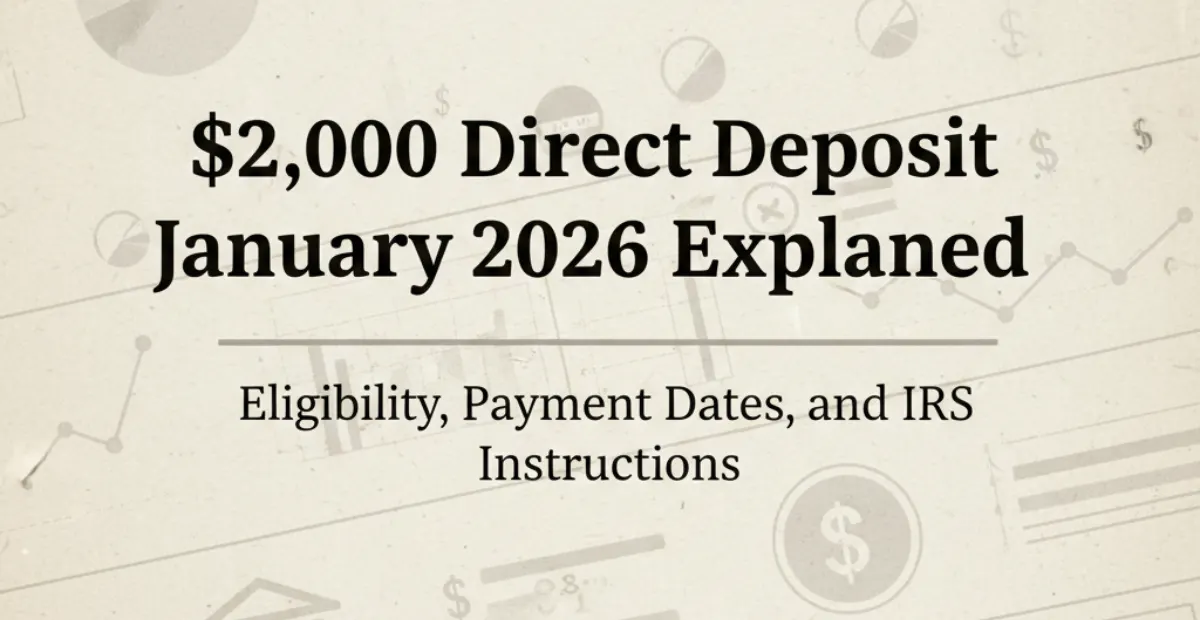
If you’re hearing whispers, seeing blurry headlines, or getting texts from your aunt about a “Federal $2,000 Direct Deposit” coming in January 2026, you’re not alone. My inbox and group chats have been buzzing, too. Let’s be real: after the past few years, the idea of an unexpected boost like that doesn’t just feel like money—it feels like a breath of fresh air. A little hope landing right in your bank account.

But here’s the thing: the internet is a wild place. It’s easy to get excited, then confused, and then worried you might miss out. I’ve been down that rabbit hole so you don’t have to. Let’s walk through this together, in plain English, and figure out what this is really about, who might get it, and what you should do next.
First Things First: What Is This $2,000 Payment?
Let’s clear the fog. As of my research right now, there is no single, nationwide “$2,000 direct deposit” for every American scheduled for January 2026. I know, I felt that sigh, too. It’s important to start here so we don’t get our hearts set on the wrong thing.

However, that doesn’t mean the rumor came from nowhere. It’s likely a mix-up or an oversimplification of real, targeted relief programs that are being proposed or extended. These could be things like:
- An expanded Earned Income Tax Credit (EITC) or Child Tax Credit payment.
- A new round of state or federal energy or utility assistance.
- State-specific stimulus for residents facing high inflation or climate-related issues.
- Supplemental Security Income (SSI) or other benefit increases.
The key word is targeted. Think of it less like a rain shower for everyone, and more like a targeted watering can for specific gardens that need it most.

Who Might Be Eligible? (The “Beneficiary Guide”)
Since this isn’t a universal check, eligibility will depend entirely on which program the $2,000 rumor is actually pointing to. Based on past programs, here’s who typically qualifies for these kinds of direct support:
1. Low-to-Moderate Income Families and Individuals: This is the biggest group. Programs often look at your Adjusted Gross Income (AGI) from your tax returns. If your income falls below a certain threshold, you’re in the zone.
2. Parents and Caregivers: If there’s a revival of something like the Child Tax Credit, having dependent children (usually under 17) is a major factor. The amount might even be per child.
3. Seniors and Disabled Individuals: Increases to SSI or Social Security benefits often go directly to these beneficiaries. If you’re on these programs, keep an eye on official SSA communications.
4. Specific State Residents: Some states with budget surpluses send rebates to their taxpayers. You’d need to be a resident of that particular state, file taxes there, and meet their income rules.
5. People Facing Specific Hardships: This could include programs for emergency housing, utility arrears, or healthcare costs. Documentation of the hardship is usually required.
The Golden Rule: How to Know for Sure & What to Do NOW
This is the most important part of this whole post. Please, don’t just wait and hope. A little bit of action now can save you so much stress later.
- ONLY Trust Official Sources: Ignore TikTok slideshows and random “news” blogs promising you free money. Your go-to sites are:
- The IRS Website (irs.gov): For any federal tax-related credit.
- Benefits.gov: The official benefits finder for the U.S. government.
- Your State’s Official Government Website (ending in
.gov): For state-specific programs. - The Social Security Administration (ssa.gov): For SSI or Social Security news.
- Check Your Mail and Email: Official government agencies will contact you by mail if you’re enrolled in a program. They will never ask for sensitive info via text or social media.
- File Your Taxes: Seriously. For almost every federal and state benefit, this is the single most important step. It’s how they find you, verify your income, and get your bank details for direct deposit. File your 2025 taxes on time in early 2026.
- Ensure Your Direct Deposit Info is Updated: With the IRS (you can do this when you file) and with any state agency you work with. This is the fastest way to get any money that’s coming to you.
A Personal Word on Staying Hopeful (But Smart)
I get it. We all feel the squeeze. Groceries, gas, rent—it adds up so fast. The idea of $2,000 appearing isn’t just about a number; it’s about fixing the car, a week without financial anxiety, or finally getting that dental work. That hope is real and valid.
But the scammers and rumor mills feed on that hope. They want you click first and think later. The real path to relief, as frustratingly slow as it can be, is through official channels and staying informed.
So, let’s channel that hopeful energy into productive steps. Bookmark those .gov sites. Make a note to file your taxes early. Talk to a trusted family member about what you’ve learned today.
The bottom line: A broad $2,000 for everyone in January 2026 is very unlikely. But targeted financial help for millions of Americans is a constant reality. By knowing where to look and taking the right steps, you position yourself to receive any support you truly qualify for.
Stay curious, but stay cautious. You’ve got this.
P.S. If you hear a specific new program name, drop it in the comments below and we can all help each other look it up from official sources. Let’s be a community of smart researchers, not just hopeful waiters
Disclaimer: This blog post is for informational purposes only and based on current understanding as of 2025. It is not financial or legal advice. Always consult official government sources or a qualified professional for guidance on your specific situation.